Nodum
Featured Case Study
A self-initiated brand and campaign concept exploring how design can make complex technology easier to understand.
The Challenge
Complex technology is often difficult to explain. NODUM explores how design can make it easier to understand.
My Role
Concept, brand strategy, creative direction, art direction, identity design, campaign development, motion design, and visual systems.
The Approach
A fictional technology company became the foundation for a brand system spanning identity, motion, editorial, advertising, and digital design. Every piece uses the same visual language to explain a different computational concept.
Brand System
A design system built to make technical concepts easier to understand.
Five functional colors define hierarchy, structure, and change. Typography separates narrative from data, creating a clear distinction between interface and information.
Nothing is decorative. Every element serves the explanation.
Color System
Type System
Voice Principles
Annual Report
The Underneath campaign extends into an annual report that explains the hidden mechanics behind modern technology.
Each chapter focuses on a single mechanism through diagrams, concise explanations, and real-world context, following the structure established by the film series.
NUAL
RE—
PORT
Visual Systems
Documentation
nodum.systems
FY 2024
was always
there.
This year NODUM did something most enterprise software companies have not done in a decade: it made the invisible visible. Not through abstraction. Not through metaphor. Through direct, diagrammatic evidence of the mechanisms that run modern organizations.
If you cannot see the system, you cannot trust the outcome.
The Underneath campaign was not a marketing exercise. It was a proof of concept — that systems intelligence, when communicated with the precision of the systems it describes, changes the way organizations make decisions. Twelve films. Six surfaces. One argument.
We deployed across seven US markets simultaneously. We placed in the Wall Street Journal, the Financial Times, and Wired. We do not believe in aspiration without mechanism.
Revenue grew 47% year-over-year. Enterprise contract value increased by $18M. The film series generated 2.3M verified impressions in the first ninety days without a single paid social placement. The system did the work. It always does.
USD millions
2024 record
$74M ARR
US
Markets
Simultaneous
Deployment
WSJ / FT / Wired
Q2–Q4 2024
| City | Formats | Placements | Impressions |
|---|---|---|---|
| New York | 48-sheet · Bus shelter · Transit | 24 | 680K |
| San Francisco | 48-sheet · Bus shelter | 18 | 420K |
| Chicago | 48-sheet · Transit | 14 | 310K |
| Los Angeles | 48-sheet · Bus shelter | 16 | 290K |
| Boston | Transit · Bus shelter | 12 | 210K |
| Seattle | 48-sheet | 10 | 180K |
| Austin | 48-sheet · Bus shelter | 8 | 210K |

Film Series
Twelve short films. Each explains a single algorithm or computational concept through motion and information design.
Every film reduces a difficult idea to its clearest visual form, using animation, typography, and graphic systems instead of narration or metaphor.
Each film stands alone, but together they define a coherent visual language for explaining complex technology.
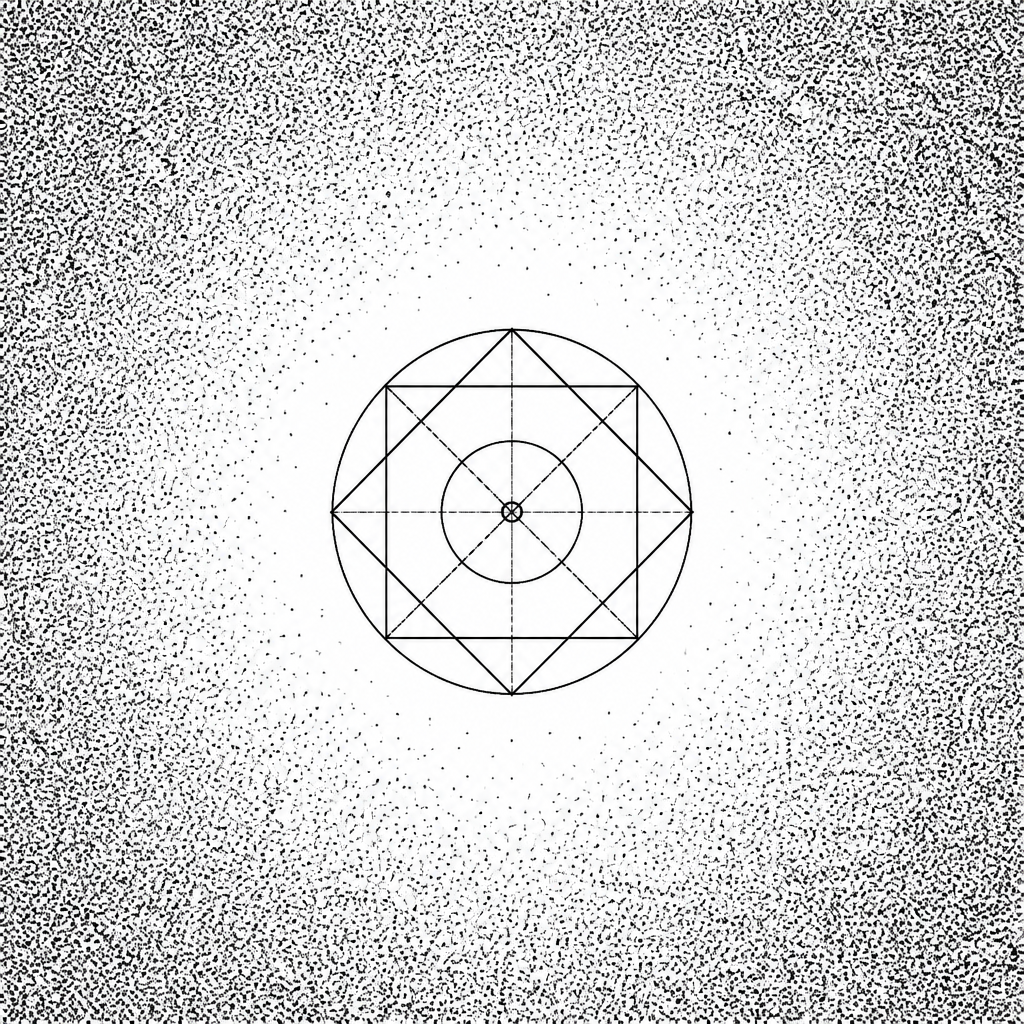
EPISODE 1 – REMAINDER Finding the signal by removing the noise.
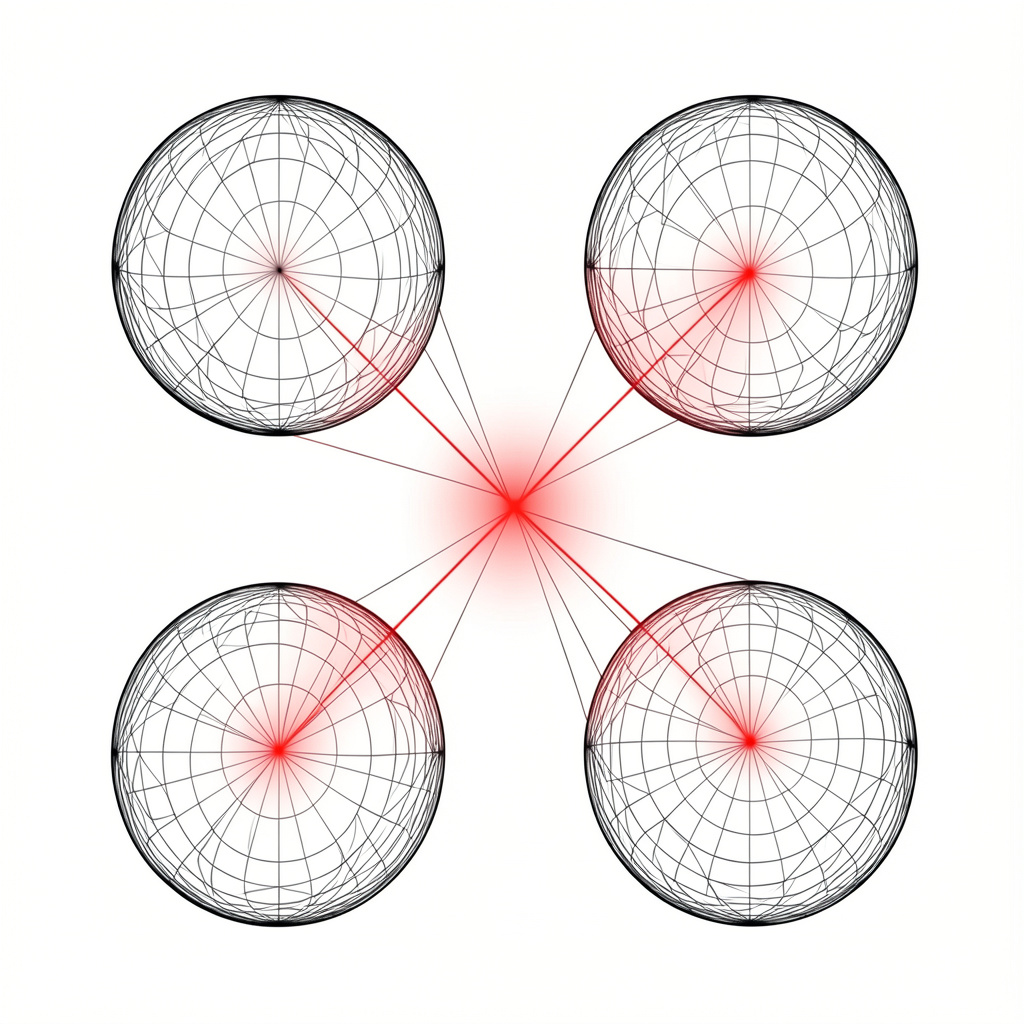
EPISODE 02 — TRIANGULATION Determining a location from multiple reference points.
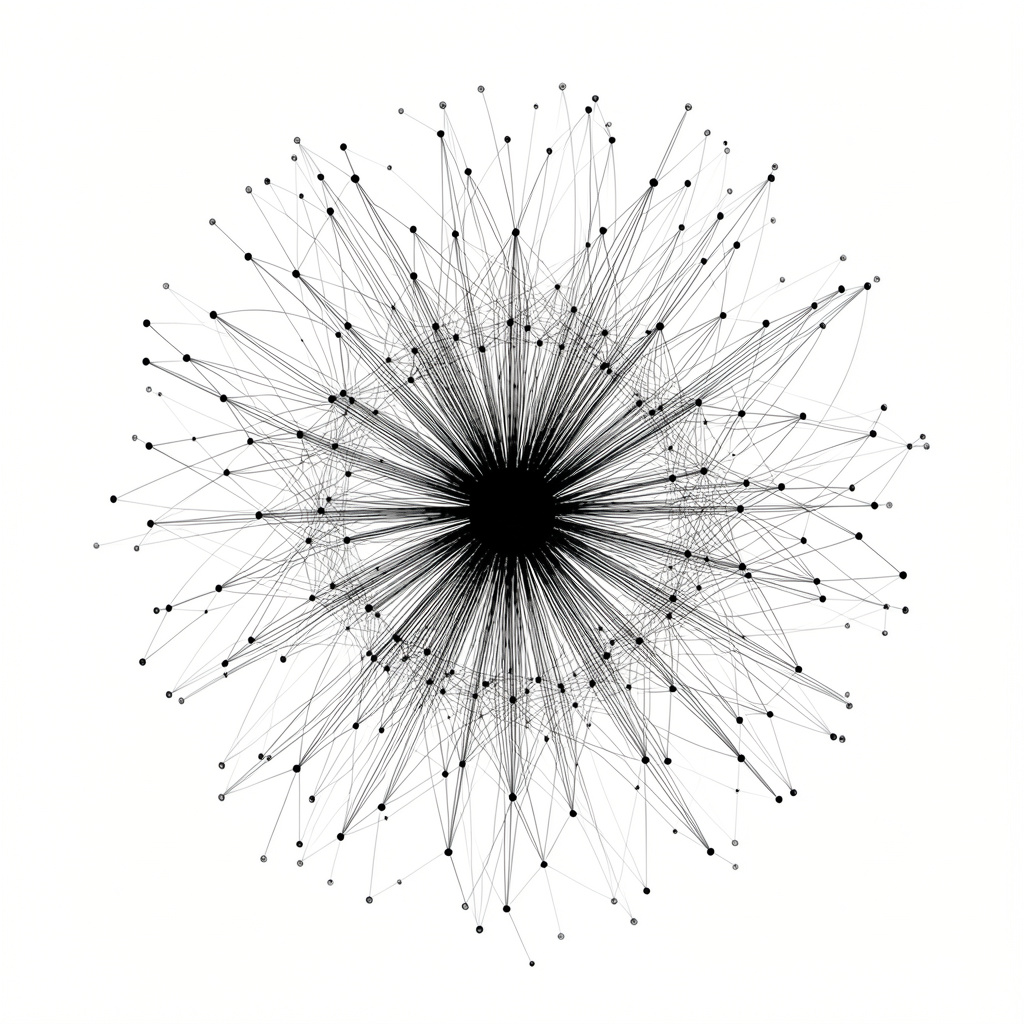
EPISODE 03 — PAGERANK How links determine what matters most.
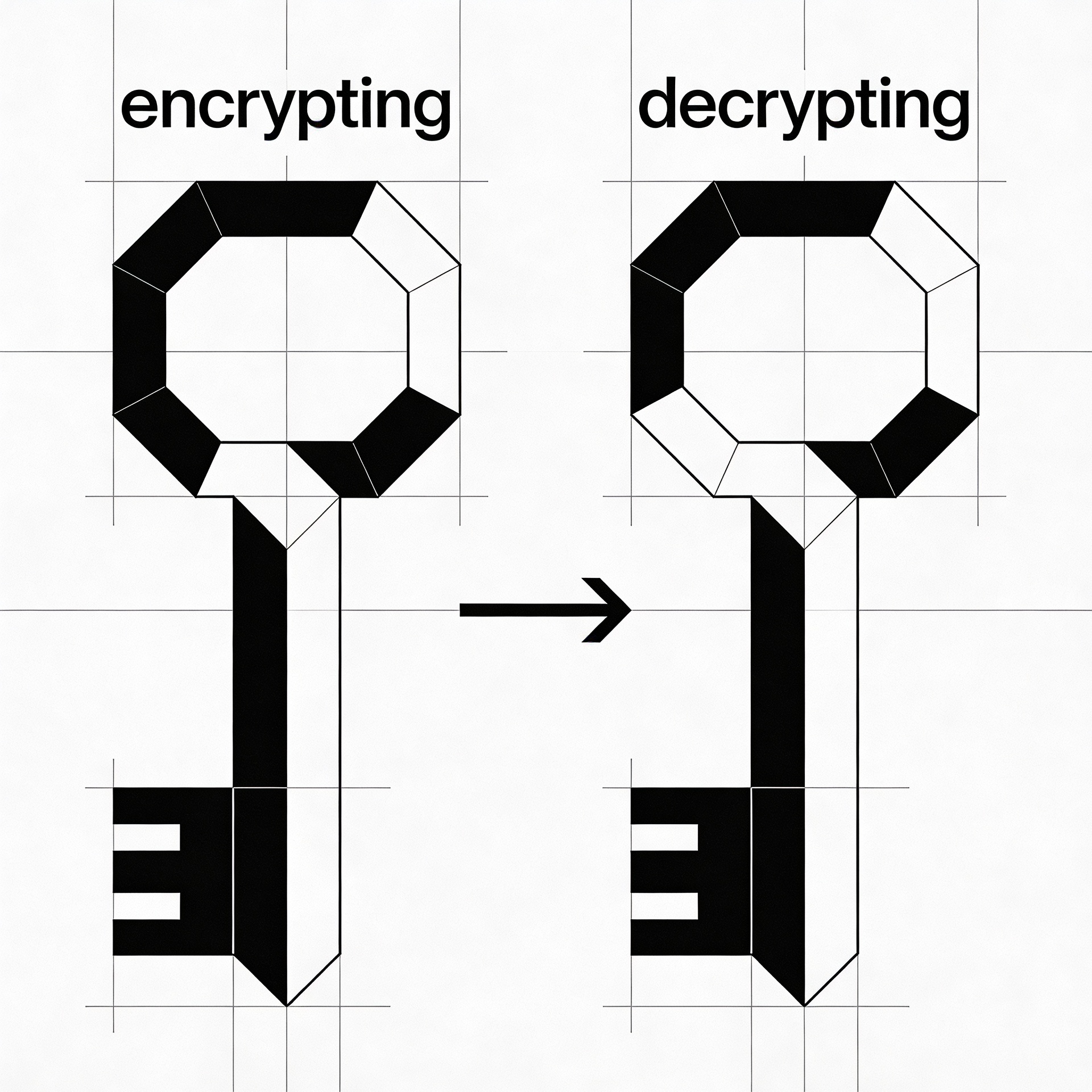
EPISODE 04 — PUBLIC KEY Sharing information securely without sharing a secret.
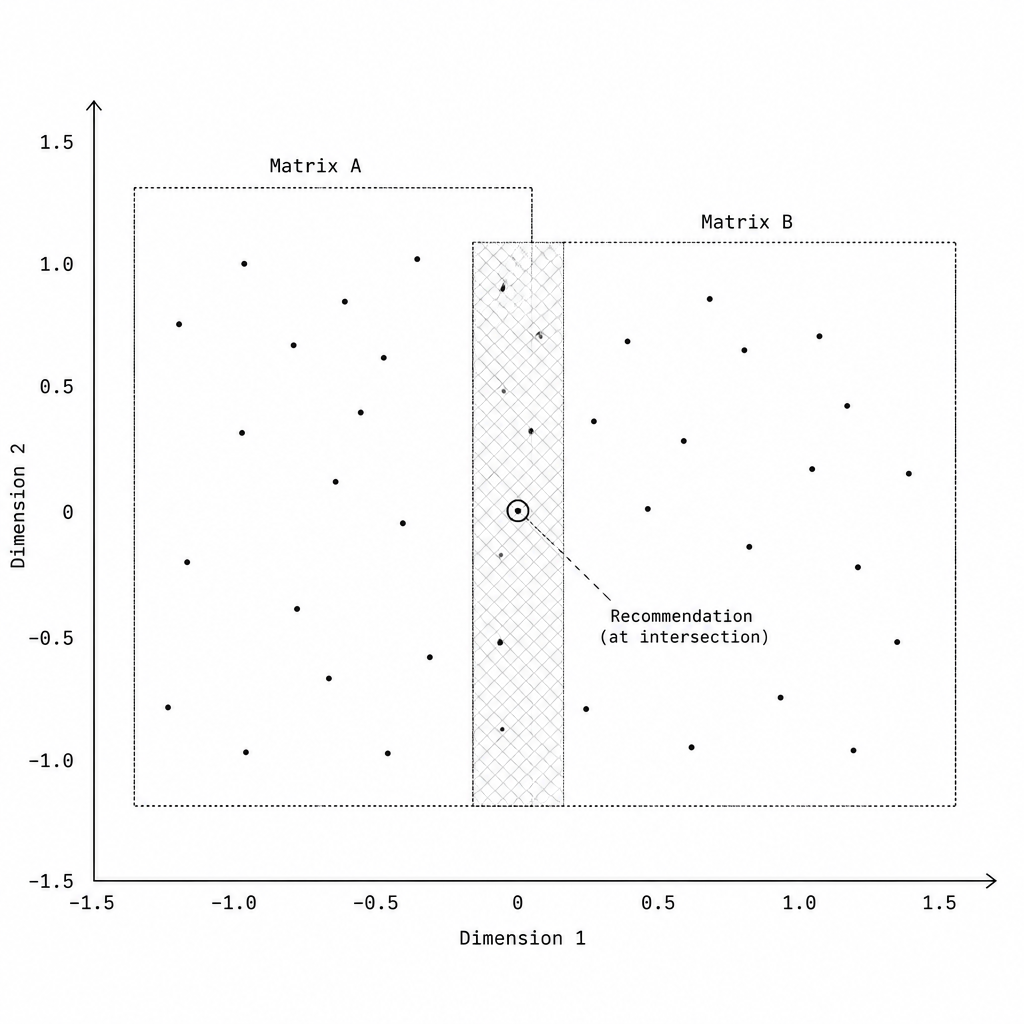
EPISODE 05 — COLLABORATIVE FILTERING How recommendations are made from shared behavior.
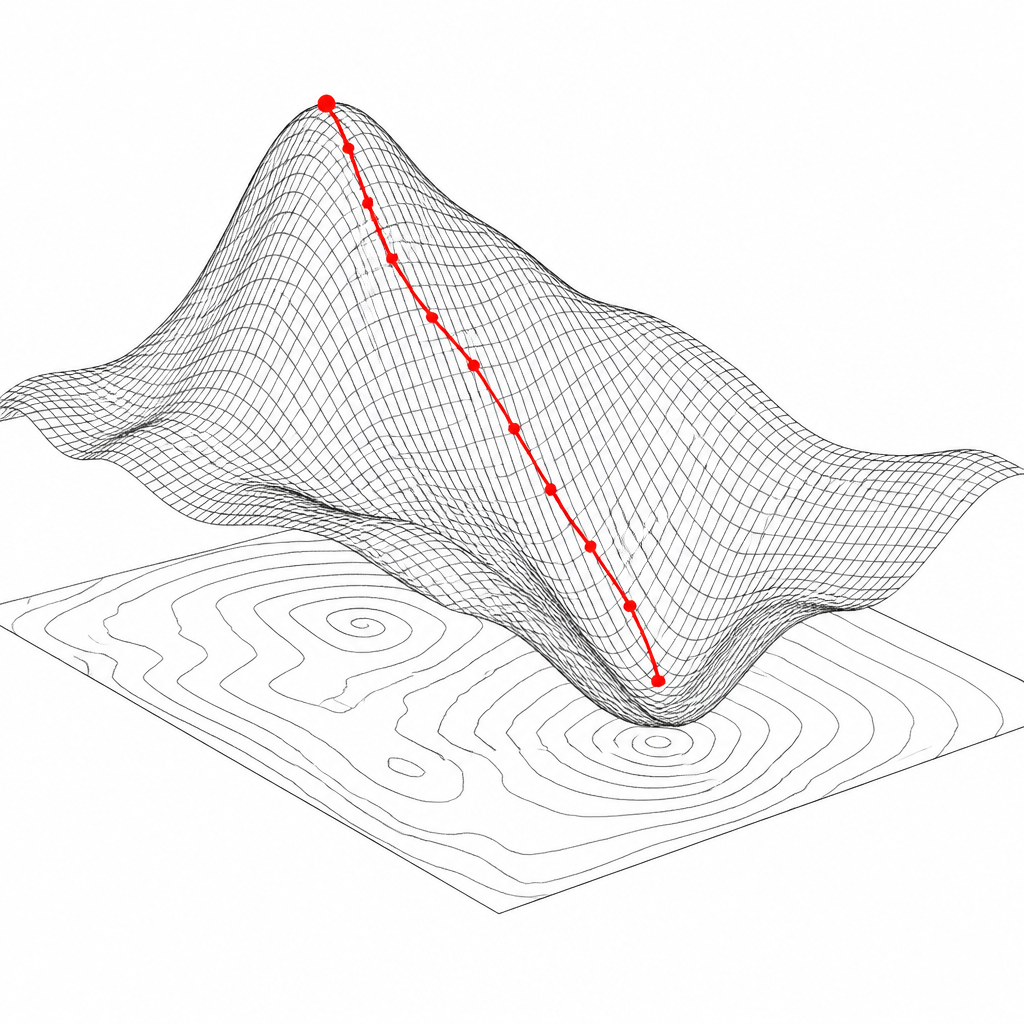
EPISODE 06 — GRADIENT DESCENT Finding better solutions through small improvements.
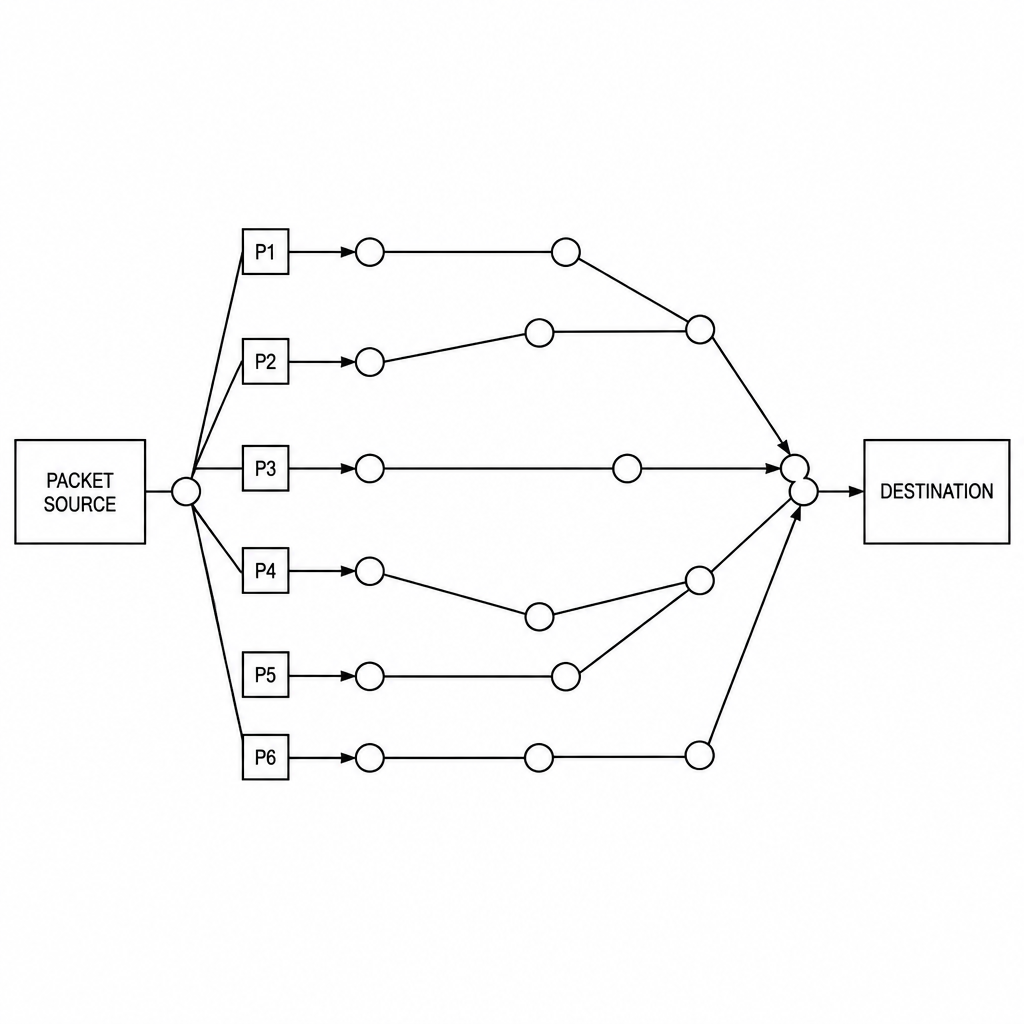
EPISODE 07 — PACKET SWITCHING How information travels across a network.
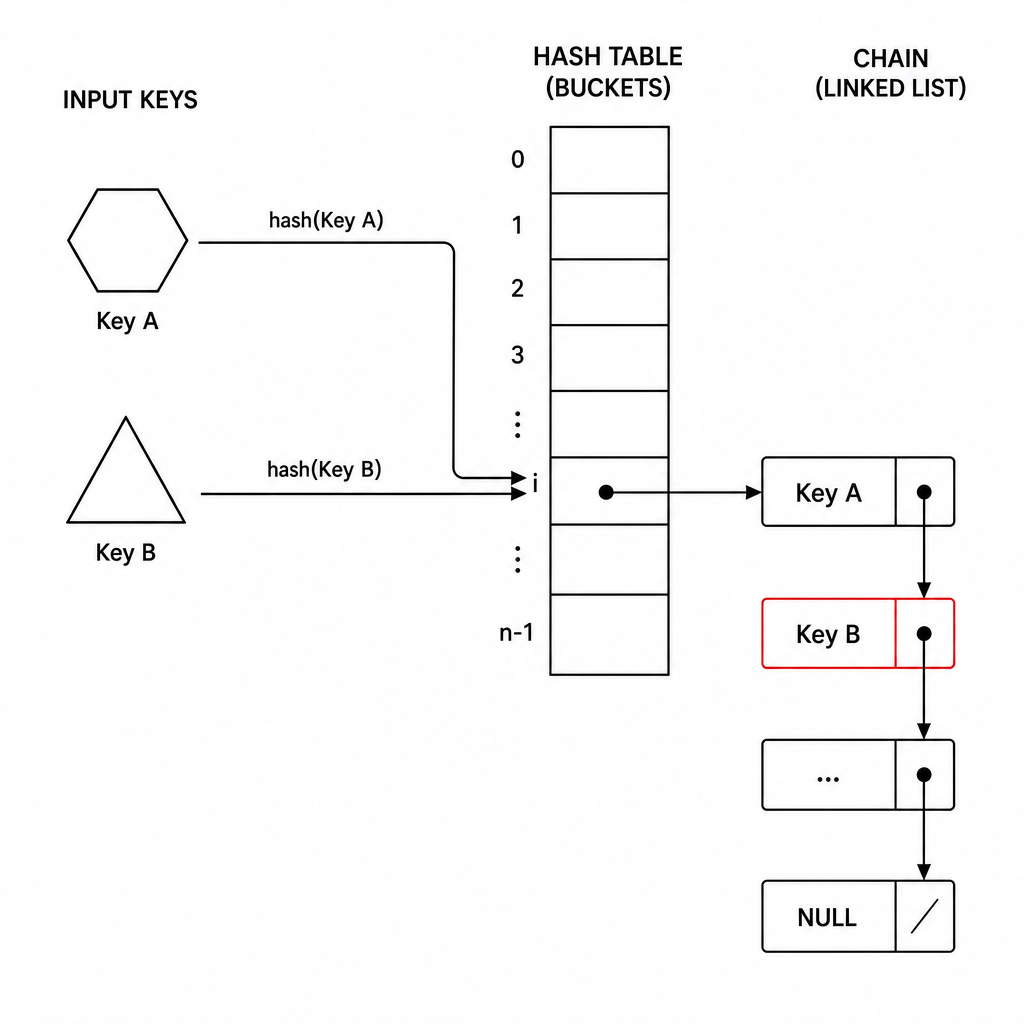
EPISODE 08 — HASH COLLISION What happens when two inputs produce the same result.
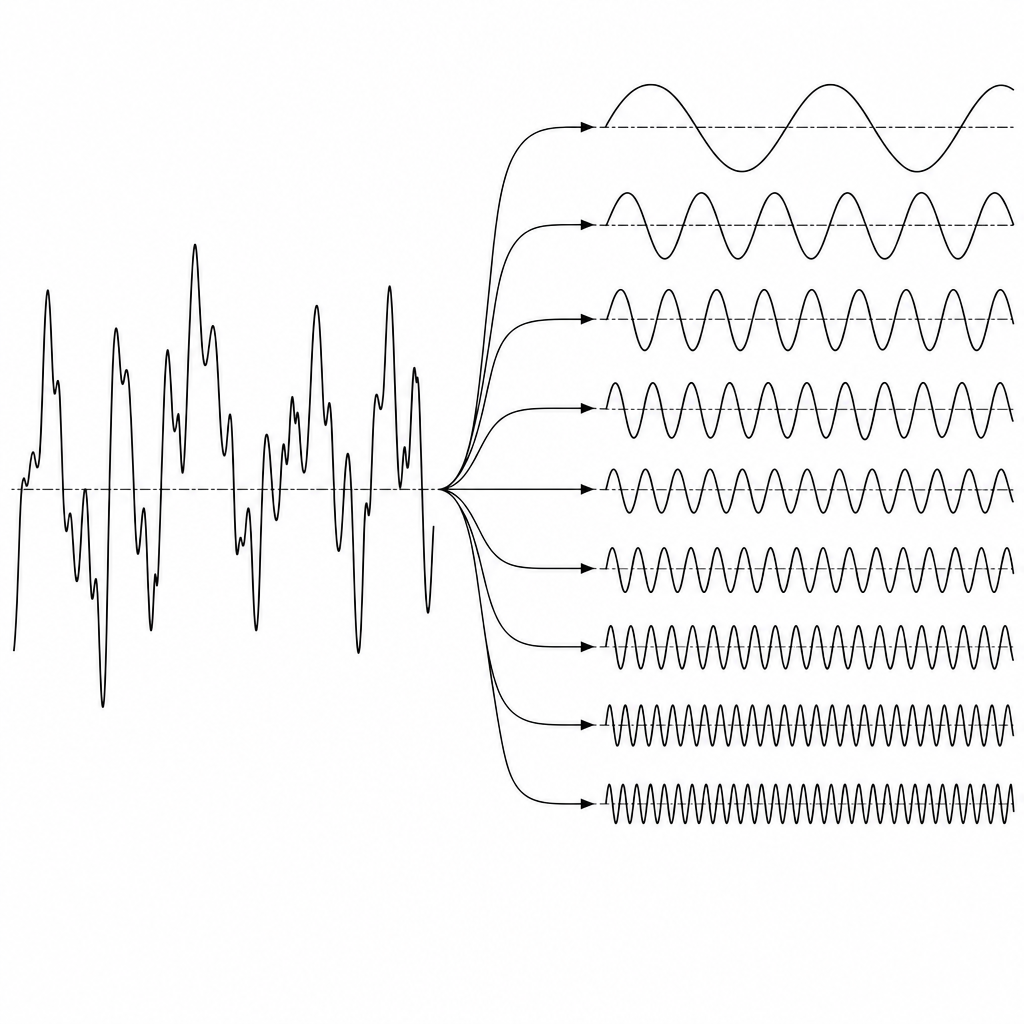
EPISODE 09 — FOURIER TRANSFORM Breaking complex signals into simpler parts.
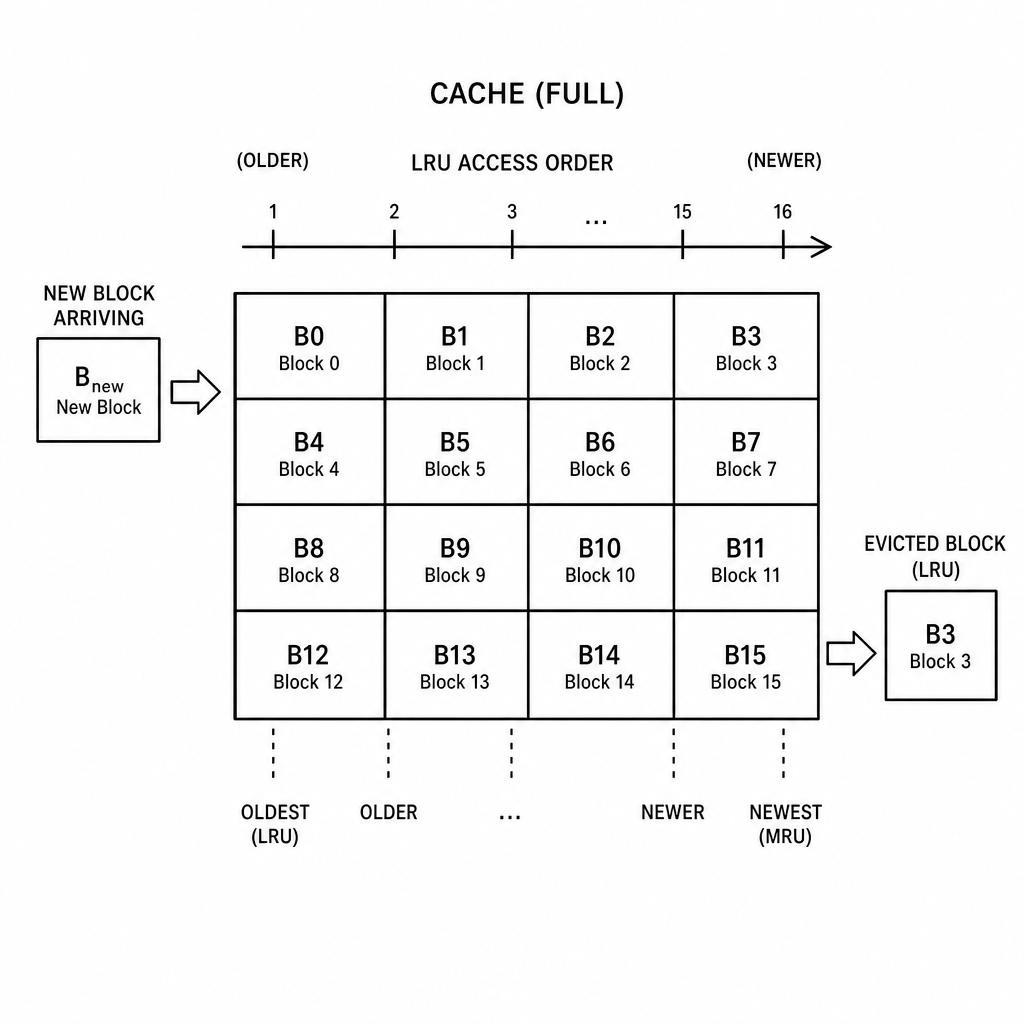
EPISODE 10 — CACHE EVICTION Deciding what to keep when memory is full.
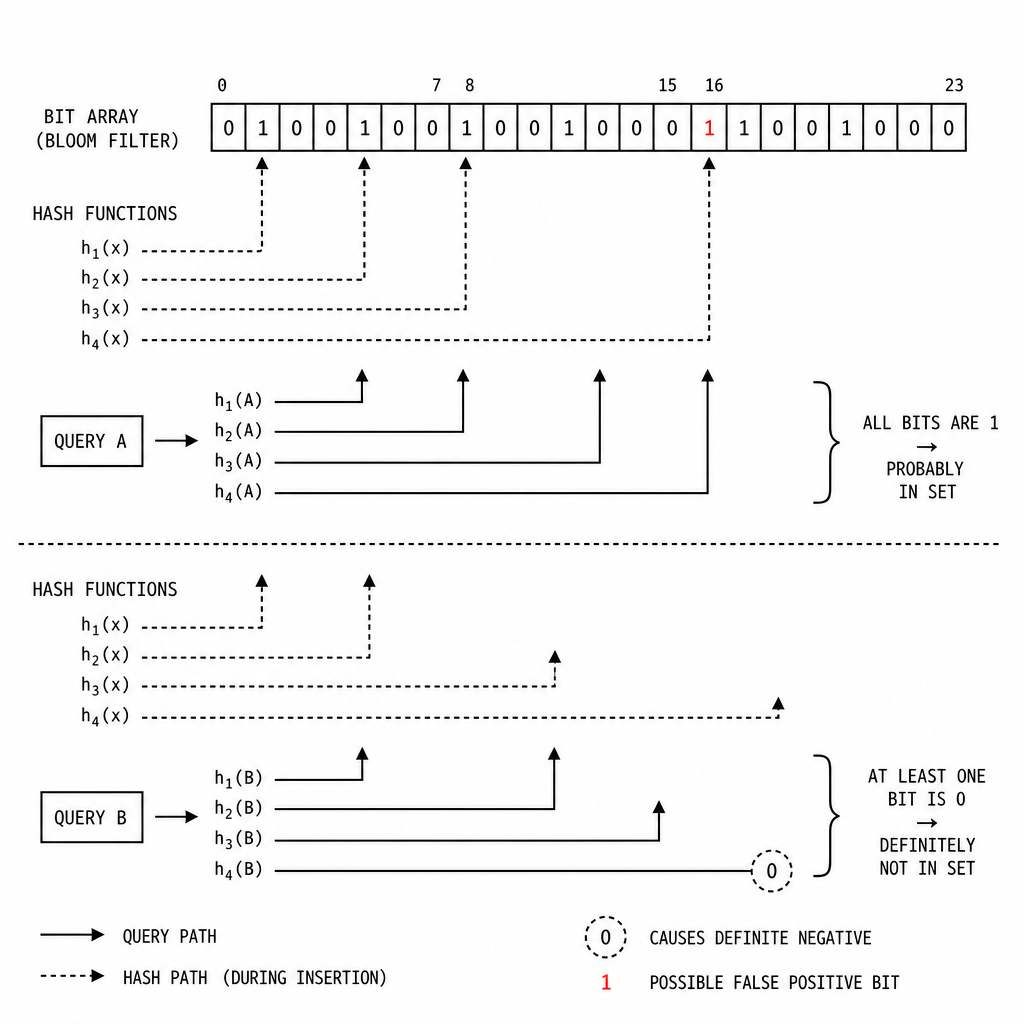
EPISODE 11 — BLOOM FILTER Quickly checking whether something is probably there.
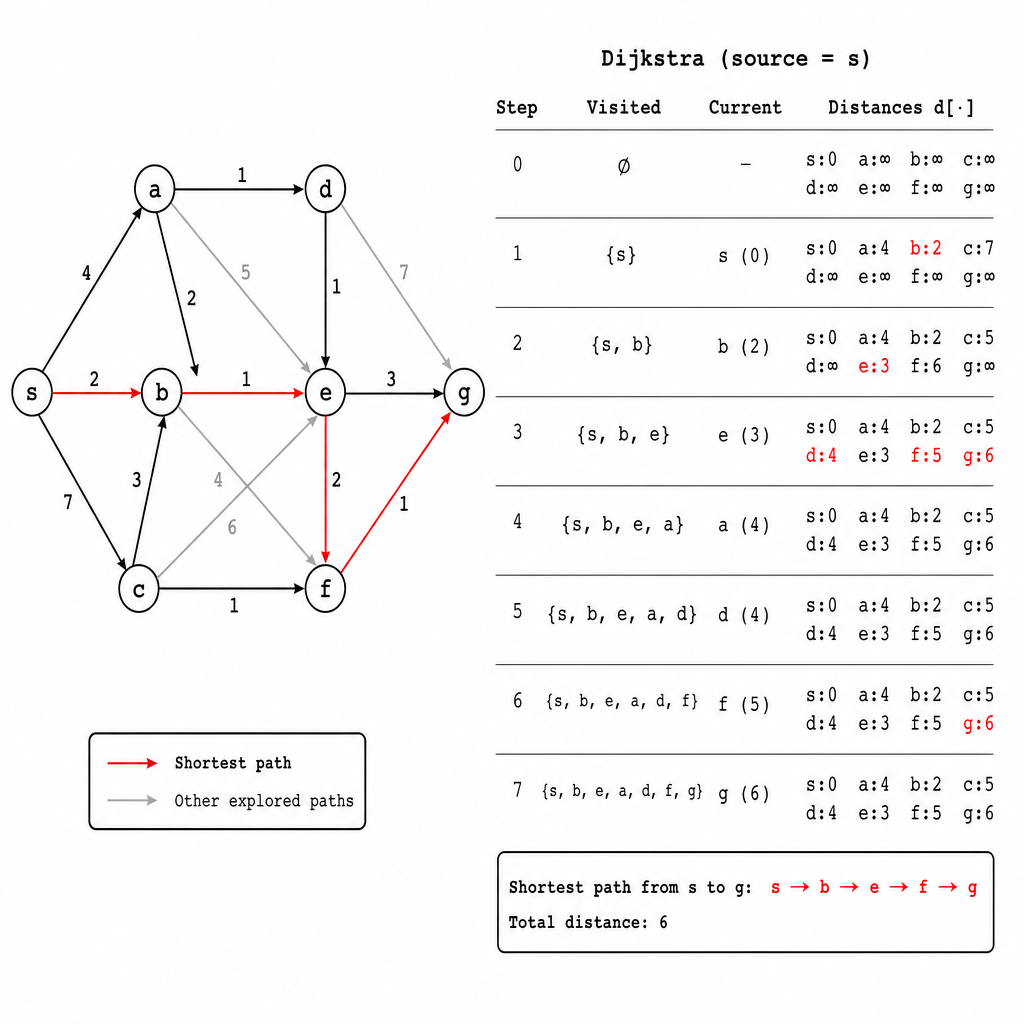
EPISODE 12 — DIJKSTRA'S ALGORITHM Finding the shortest path between two points.
Microsite
The digital home for the Underneath campaign.
Explore all twelve films, learn the ideas behind each one, and see how a single visual system extends across motion, editorial, and digital design.